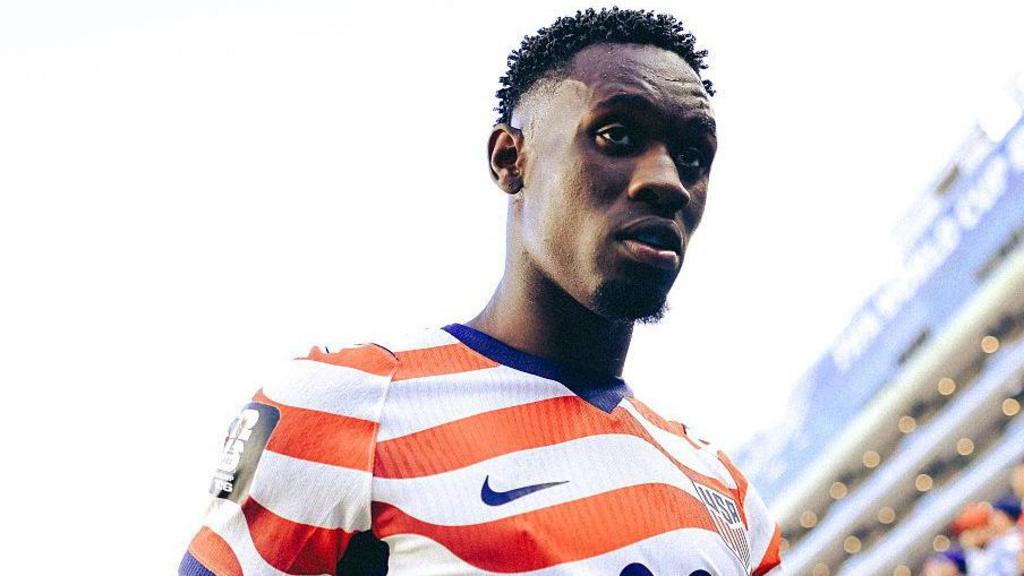
Folarin Balogun knew it would cause a storm. When FIFA decided to waive his one-game suspension at the 2026 World Cup, the United States striker braced himself for the backlash — and it came swiftly.
What Happened
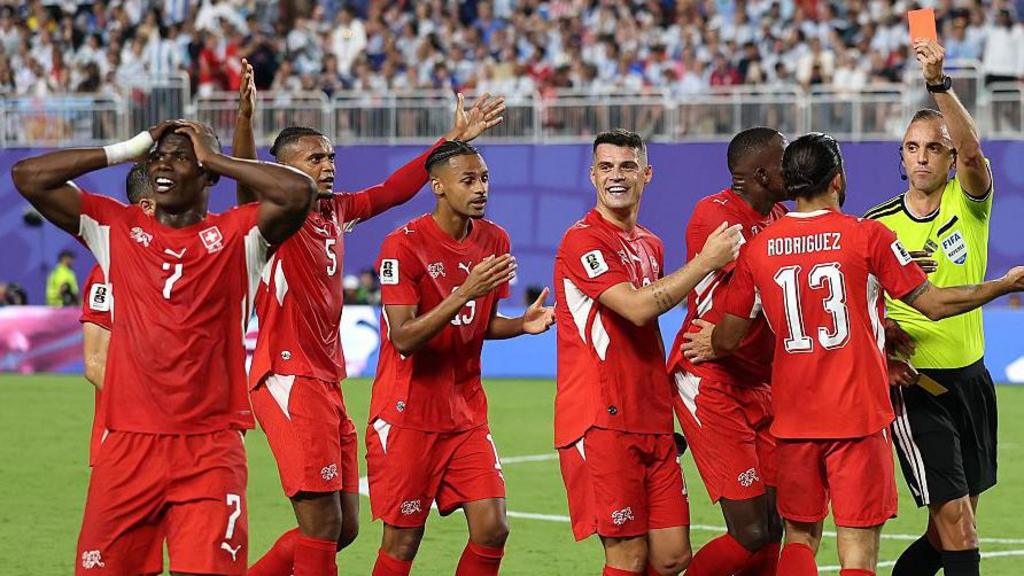
Balogun, 25, was sent off for serious foul play during the USA’s round-of-32 match against Bosnia-Herzegovina. Under normal rules, a straight red card means an automatic one-game suspension. That would have ruled him out of the last-16 clash against Belgium.
But FIFA’s disciplinary committee took the unusual step of suspending the ban for a year, allowing Balogun to play. The decision raised eyebrows across the football world.
Why It Sparked Outrage
The controversy deepened when it emerged that United States President Donald Trump and White House officials had lobbied FIFA about the sanction. European football’s governing body UEFA called the decision “unprecedented, incomprehensible and unjustifiable.”
To put the situation in perspective: England’s Jarell Quansah was also shown a red card for serious foul play in the same tournament. FIFA’s same disciplinary committee ruled he should serve a two-match ban — one more than the standard automatic suspension.
The contrast was hard to ignore.
Balogun’s Reaction
Speaking to CBS, Balogun described a whirlwind of emotions. He had already accepted he would miss the Belgium match and was not involved in early preparations for the game.
“My initial reaction was that I was happy to be back in the team but when I started to reflect, I knew it was going to start a lot of controversy,” Balogun said. “I could almost see within my team-mates a bit of nerves because it is something that is so unique.”
He found out about the decision while on the team bus, which brought “screaming and shouting” among the squad. “It was a pretty intense bus ride to the practice field,” he added.
The Belgium Match
Despite the drama, Balogun started against Belgium. The USA lost 4-1, and Balogun did not score. However, the Monaco striker insists the controversy did not distract the team.
“It was about separating the emotion from the job at hand. We are all professionals,” he said. “It was not something that was too difficult to separate once we got over the initial announcement.”
FIFA’s Silence
The head of FIFA’s disciplinary committee refused to answer questions about the decision-making process. FIFA president Gianni Infantino has previously denied having influence over disciplinary decisions, but the differing treatment of Balogun and Quansah has left many unconvinced.
Balogun finished the tournament with three goals from his appearances — a solid return, but one overshadowed by the circumstances that allowed him to keep playing.
What It Means
The incident has added fuel to the ongoing debate about governance in world football. For Balogun, it was a deeply personal situation — caught between gratitude for a second chance and awareness that the decision undermined the fairness of the competition.
For USMNT fans and neutral observers alike, the saga remains one of the most talked-about moments of the 2026 World Cup.