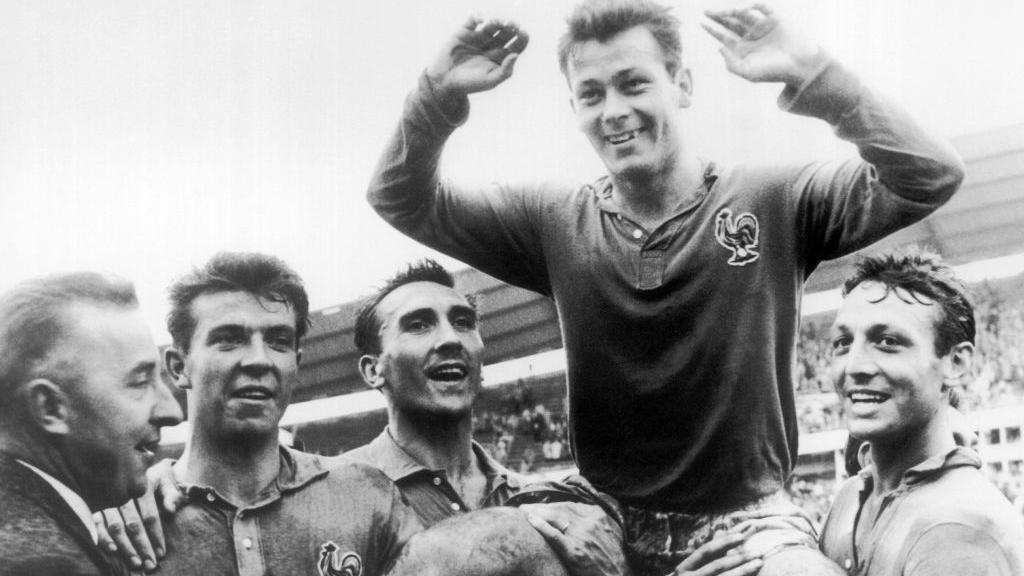
Just Fontaine scored 13 goals at a single World Cup. He did it in borrowed boots, without being first choice, and never received a Golden Boot for his efforts. Sixty-eight years later, his record remains untouched.
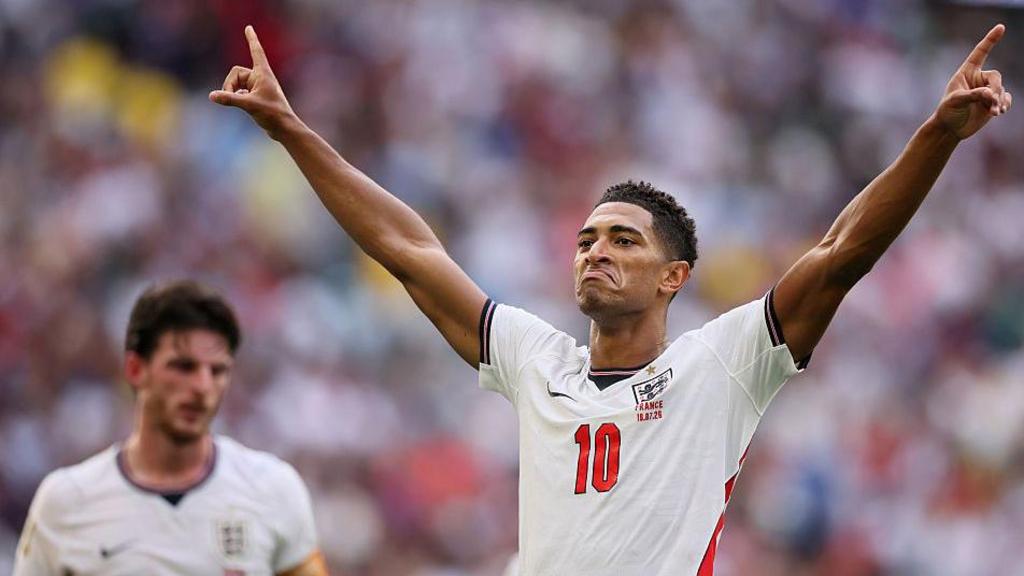
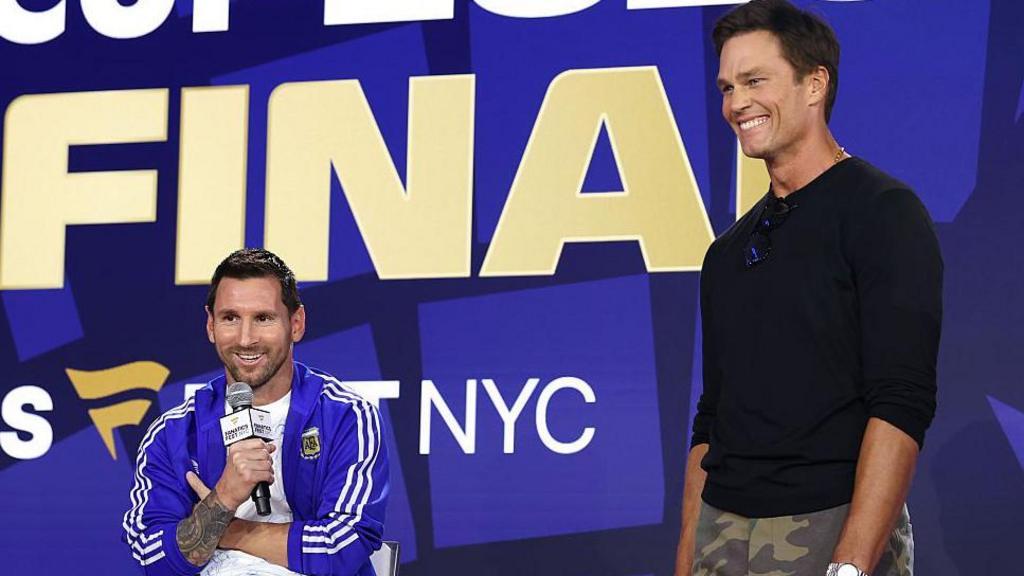
As the 2026 World Cup heats up in North America, with Lionel Messi, Kylian Mbappe, and Harry Kane all in the hunt for the Golden Boot, Fontaine’s name resurfaces once more as the ultimate benchmark.
The man who wasn’t supposed to start
Fontaine was not France’s first-choice striker heading into the 1958 World Cup in Sweden. He had only five international caps to his name. A teammate, Rene Bliard, suffered an injury in a warm-up game, and Fontaine was promoted to the starting XI.
To make matters more chaotic, Fontaine had damaged his own boots during a training session and had not brought a spare pair. He was forced to borrow boots from teammate Stephane Bruey for France’s opening match against Paraguay.
He scored a hat-trick in a 7-3 victory.
“Imagine something like that now, so very different to what we have today,” says sports journalist and historian Philip Barker.
Born in Morocco, a legend for France
Fontaine was born in Marrakesh in August 1933, when Morocco was still a French protectorate. The country gained independence in 1956, but by then Fontaine was already an established professional playing in the French leagues. He represented Les Bleus, not the Atlas Lions.
Interestingly, the 2026 World Cup quarter-final between France and Morocco was essentially a “Just Fontaine derby” — a meeting of the two nations that shaped his identity.
Six games, 13 goals
Fontaine scored in every single match France played at the 1958 tournament. His goals were not scrappy tap-ins either — highlights show a striker with pace, intelligent movement, and clinical finishing that would look at home in the modern game.
His hat-trick goal against West Germany in the third-place play-off is particularly memorable. Picking up the ball on the halfway line, he outpaced defenders and tucked the ball into the far corner — a goal reminiscent of Michael Owen’s famous strike against Argentina at the 1998 World Cup.
France were eventually eliminated by a brilliant Brazil side featuring a 17-year-old Pele, losing 5-2 in the semi-final. But Fontaine still found the net in that game, equalising for France before Brazil pulled away.
He finished the tournament with four goals in the 6-3 win over West Germany in the third-place play-off, taking his tally to 13.
No Golden Boot, just an air rifle
The Golden Boot award for the World Cup’s top scorer was not introduced until 1982. Fontaine never received one. Instead, a Swedish newspaper awarded him an air rifle for being a “sharp shooter.”
It was not until 2014 that FIFA presented Fontaine with a unique platinum boot in recognition of his unmatched achievement.
“There wasn’t a Golden Boot award or anything like that in 1958, so no one thought about it,” Fontaine said. “That probably gave me an advantage. Nowadays, as soon as a striker scores three goals, everyone starts asking him about it.”
A career cut short at 28
Fontaine’s career was cruelly cut short. In March 1960, he suffered a broken leg during a French league game. The injury was aggravated during several attempted comebacks, and he was forced to retire in 1962 at just 28 years old.
He never played in another World Cup. His final international record stands at an extraordinary 30 goals in just 21 caps for France — a ratio that ranks among the best in football history.
What came after football
After retiring, Fontaine remained deeply involved in the sport. He helped found the French players’ union (UNFP), becoming its first president in 1961. He later managed several clubs, including Paris Saint-Germain and Toulouse, and spent two years coaching Morocco — the country of his birth.
Fontaine passed away on 1 March 2023 at the age of 89. He lived long enough to see France win the World Cup twice and witness the emergence of Mbappe, one of the players who could eventually break his record.
“Fontaine used to joke that if he came back in 200 years, his record would still be going,” says Barker. “L’Equipe called it ‘unbeatable.’”
Will anyone break the record at World Cup 2026?
With the expanded 48-team format, semi-finalists are guaranteed to play eight matches — two more than Fontaine had in 1958. That extra game time gives modern strikers a statistical advantage.
Mbappe and Messi both have eight goals heading into the semi-finals. Haaland has seven, with Kane and Jude Bellingham on six each. They are closer than anyone has been in decades.
But 13 remains a daunting number. Fontaine scored his in just six matches, with borrowed boots, and without the benefit of modern sports science or tactical support.
As Barker puts it: “13 is such a number. Fontaine is a real unsung hero.”
What to watch
As the 2026 World Cup semi-finals approach, keep an eye on the Golden Boot race. Mbappe, Messi, and Kane all have a realistic chance of reaching double figures — but catching Fontaine would require something truly extraordinary. The record that has stood since 1958 might just survive another tournament.