Norway are in a World Cup quarter-final. For a country with a population similar to Scotland — and one that spent 28 years away from the tournament — this is no accident. It is the result of more than two decades of planning, investment, and a coaching philosophy that started with one 11-year-old prodigy.
More Than Just Haaland and Odegaard
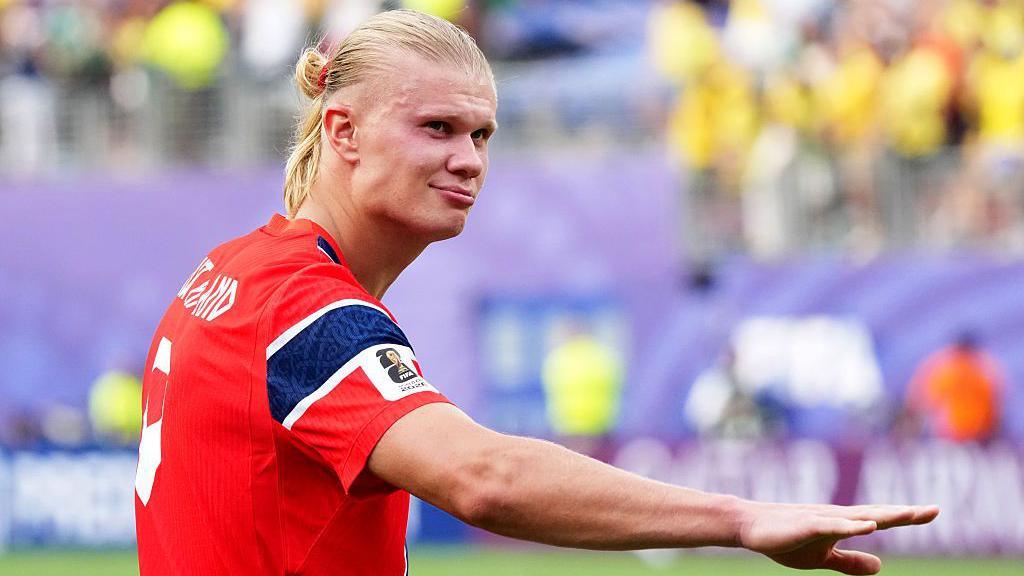
Erling Haaland and Martin Odegaard are the poster boys. The Manchester City striker has seven goals at this World Cup. The Arsenal captain runs the midfield. But Norway’s success runs deeper than two stars.
Of their 26-man squad, 17 play in Europe’s top four leagues — the Premier League, Bundesliga, La Liga, and Serie A. Most came through Norway’s National Team School (NTS), a youth development pathway established in 2013.
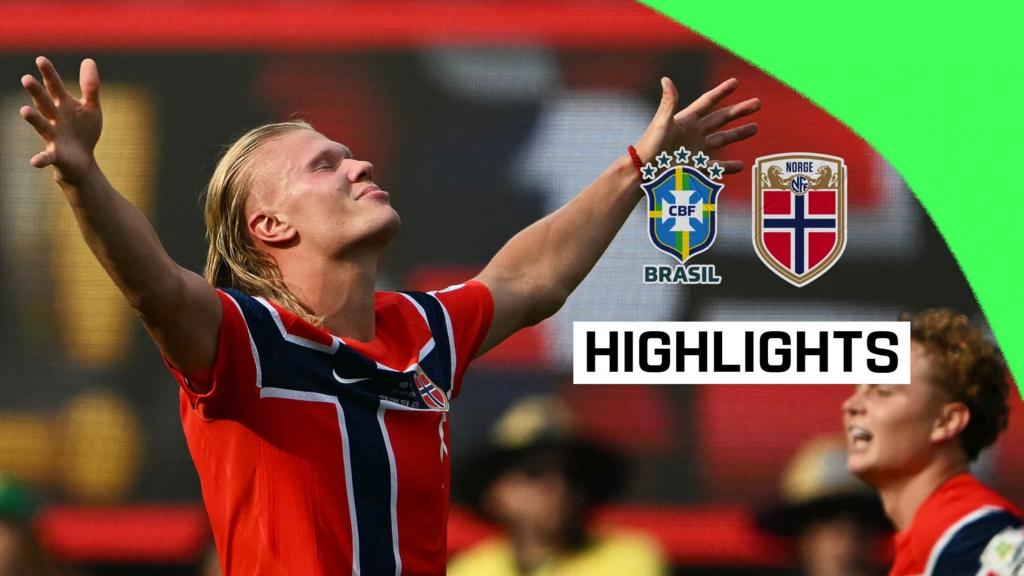
In their 2-1 victory over Brazil, 14 of the 15 players who featured had represented Norway at youth level. Eleven of those were part of the NTS from under-15 or under-16 age groups.
From Ice Pitches to Year-Round Football
The transformation began with artificial turf. Between 2000 and 2010, Norway invested heavily in synthetic pitches. From 2016 to 2025 alone, 539 artificial pitches were built and another 586 renovated.
For a country that endures harsh winters, this was a game-changer.
“Football in Norway went from a summer sport to a whole year-round sport,” said Hakon Grottland, head of player development at the Norwegian Football Federation. “Back in my day, we had to play on horrible pitches in the winter, on ice and things like that.”
The surfaces also changed how Norwegians play. In the 1990s, the national team was known for a workmanlike, defensive style. Predictable playing surfaces bred a more technical approach — embodied by Odegaard’s elegant passing.
Gambling Money Funds the Dream
Norway is one of the world’s richest countries, sitting on Europe’s largest oil reserves after Russia. But a unique funding model sets its sports development apart.
The state-owned gambling operator Norsk Tipping donates 64% of its proceeds to sporting purposes, primarily facility investment. In 2026, that amounted to more than 2 billion Norwegian kroner — roughly £152.7 million — for sports infrastructure.
This steady stream of funding ensures clubs at every level have access to quality facilities, not just those backed by wealthy owners.
The NTS Philosophy: Love the Game First
After failing to qualify for Euro 2012, the Norwegian Football Federation created the NTS — not as an academy or a centralised school like France’s Clairefontaine, but as a national development structure connecting grassroots clubs, districts, top clubs, and the federation.
“In Norway, everyone’s in it together,” Grottland explained. Unlike England, where Premier League academies recruit children as young as eight, Norwegian youngsters stay with their grassroots clubs until age 12.
“We don’t measure ball handling and speed and things like that,” Grottland added. “We start with: does the player love this game?”
He pointed to Haaland as proof the system works. “He was part of national talent camps within the NTS structure from the age of 14, but at that time nobody thought he would become the best player in that age group.”
Odegaard Inspired the Entire System
The one player Grottland was certain about from the beginning was Odegaard. The whole NTS philosophy was inspired by watching him play at 11 years old.
“I’ve never seen anyone like him as a child,” Grottland recalled. Odegaard signed for Real Madrid at 16 for €4 million, but his impact on Norwegian football extends far beyond his own career.
“A talented player is a player who loves the game the most — a player who has ownership for his own development and who takes ownership for the team’s development,” Grottland said.
The Norwegian squad acknowledged this grassroots foundation before the World Cup by posing for a team photograph wearing kits from their first clubs.
What It Means Going Forward
Norway face England in the quarter-finals on Saturday in Miami. The lessons of the NTS — safety, security, and togetherness — have carried them further than any Norwegian team since 1998.
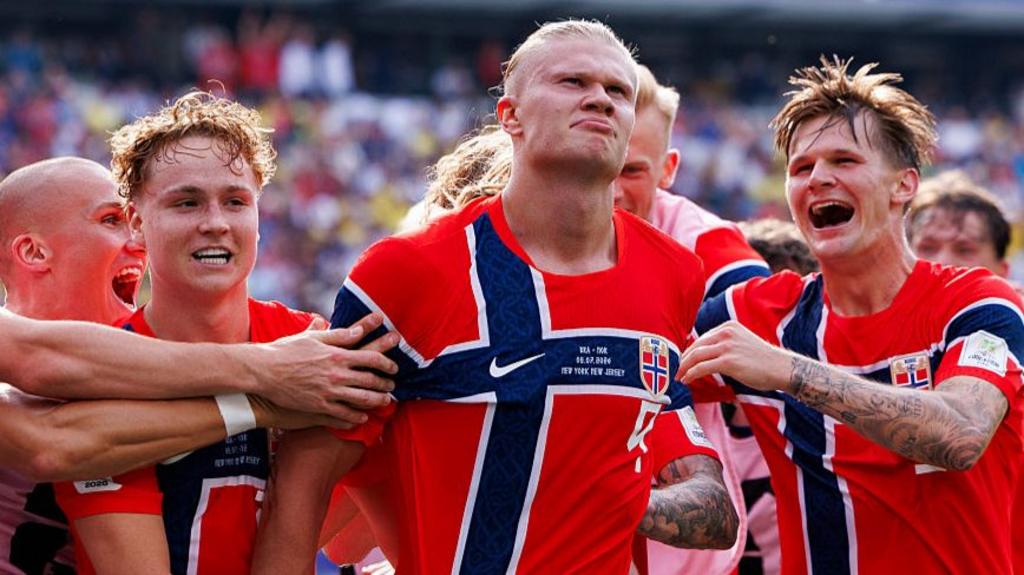
“No one player is bigger than the team,” said Grottland. That spirit is visible in the Viking row celebration that has taken over Times Square and stadiums across the United States this summer.
The question now is whether this golden generation can lift Norwegian football even higher — and whether other nations can learn from a model built on patience, inclusion, and playing surfaces that work in winter.