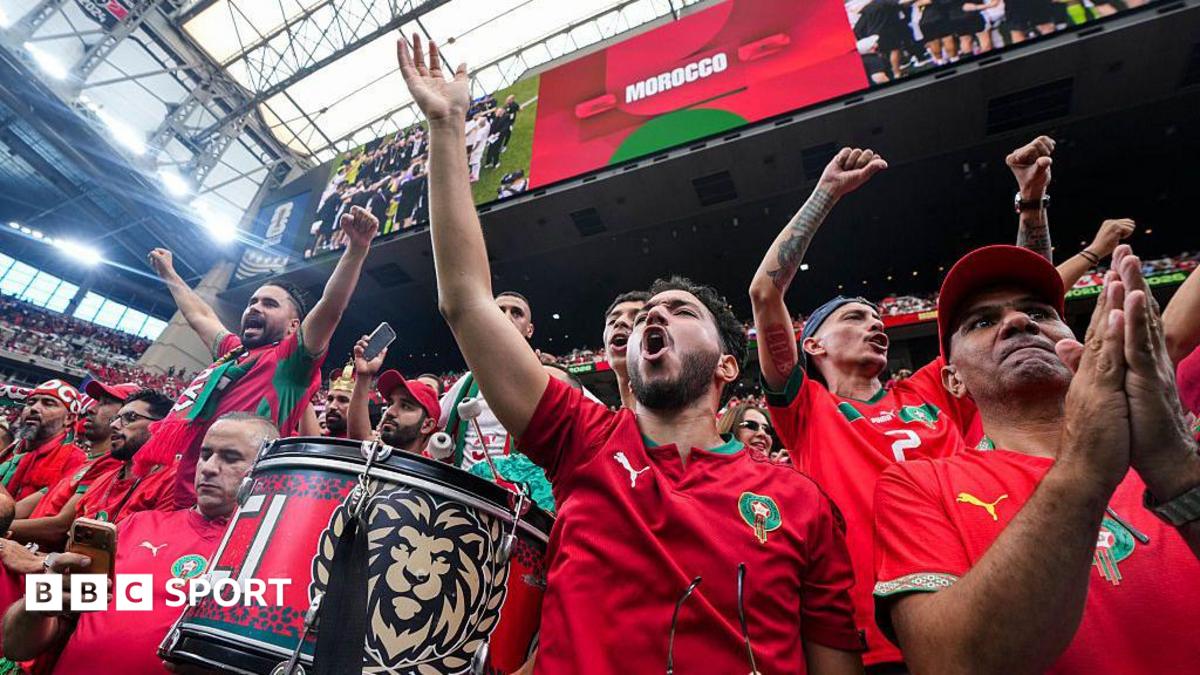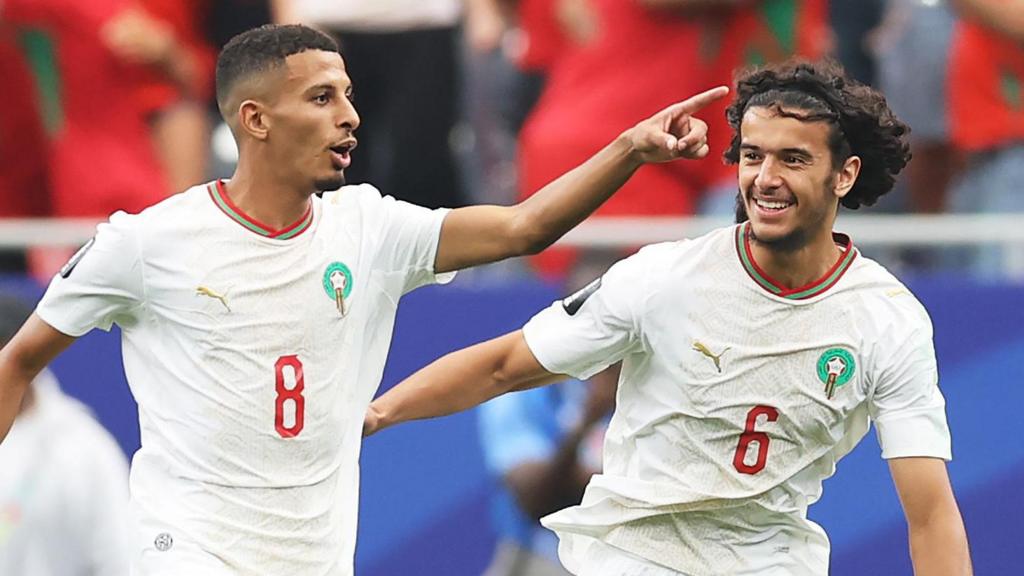
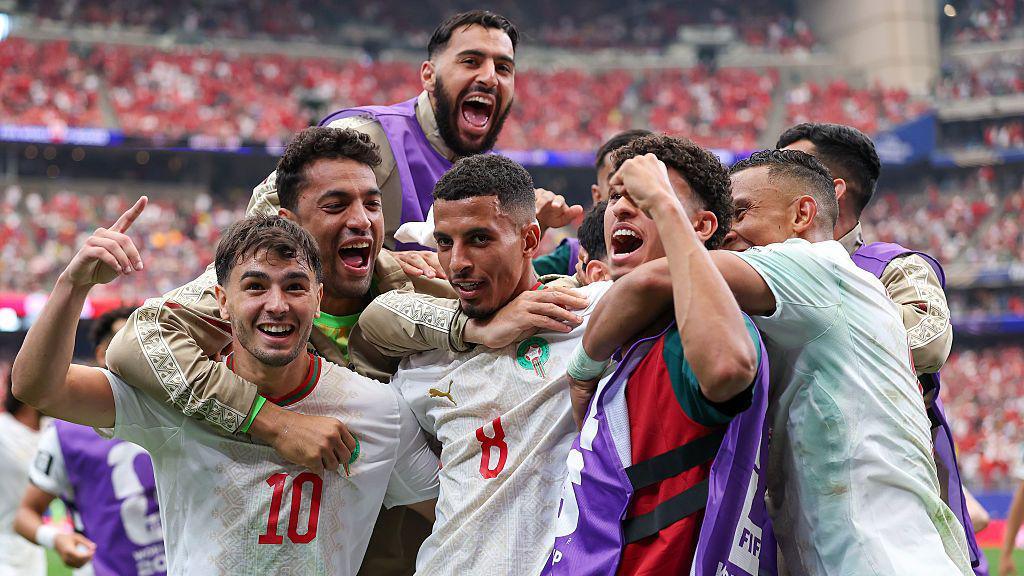
Morocco have not just returned to the World Cup quarter-finals. They are building something much bigger.
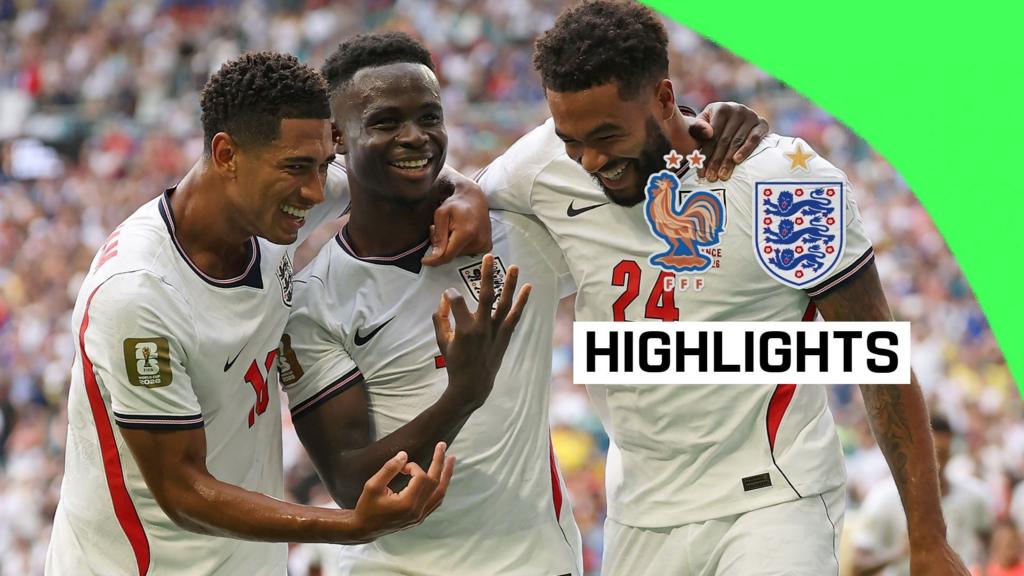
The Atlas Lions face France on Thursday at Boston Stadium for a place in the last four. It is a rematch of their 2022 semi-final, but Morocco’s ambitions stretch far beyond one match. Behind the scenes, a years-long project is turning the North African nation into a genuine footballing force.
From Qatar to now
Morocco made history at the 2022 World Cup in Qatar. They became the first African nation to reach the semi-finals, beating Belgium, Spain, and Canada along the way before falling to France.
That run was no fluke. Before a ball was even kicked, former manager Walid Regragui told his players they were not just going to play three group games. They were going to do something big.
Four years later, Morocco are ranked sixth in the world by FIFA. They have a new manager in Mohamed Ouahbi. And they are co-hosts of the 2030 World Cup alongside Portugal and Spain.
The diaspora advantage
One of Morocco’s biggest strengths is their ability to connect with players of Moroccan heritage across Europe. The Royal Moroccan Football Federation (RMFF) has deployed full-time scouts in France, the Netherlands, Spain, Germany, Norway, Sweden, and Denmark.
The results are striking. Nineteen of the 26 players in Morocco’s current World Cup squad were born outside the country. Six of those were eligible to play for France, including Lille’s highly rated teenage midfielder Ayyoub Bouaddi.
“You don’t get a feeling that it’s a second nation,” said coaching educator Simon Jennings, who worked on youth development in Morocco between 2020 and 2024. “They are totally into being Moroccan. It’s a passion they have and a nationality they feel strongly about.”
Morocco even scouted Spain’s teenage star Lamine Yamal when he was 12 or 13 years old. The RMFF met and presented to Yamal and his family, though he ultimately chose to represent Spain.
Big investment from the top
Morocco’s football ambitions have been backed by King Mohammed VI. Significant funding has gone into a state-of-the-art training facility, a national academy, regional training centres, stadium redevelopments, and thousands of amateur pitches.
“When you come in and see a training facility of this calibre, it shows you these people are serious and want to be successful,” said Neil Ward, who served as director of technical operations at the RMFF from 2020 to 2024.
The investment is not just about the national team. It is about building football infrastructure from the ground up, with an eye on hosting the 2030 tournament.
Building the domestic pipeline
The next challenge is producing more players from within Morocco itself. The RMFF’s target for the 2030 World Cup is an equal split between Moroccan-born players and those raised abroad.
Chris van Puyvelde, who was technical director at the RMFF between 2022 and 2025, warned the “total organisation inside the country needs to be better.” But progress is already visible.
Ouahbi’s under-20 side won the Under-20 World Cup in 2025 after initially struggling with qualification. That success earned him promotion to the senior team. He was handed a contract running through to 2030, showing the federation is thinking long-term.
The oxygen is spreading
Morocco’s rise is part of a bigger story. African football is growing, and the Atlas Lions are leading the charge.
“They are building stadiums, but they are also building the structure from the ground up,” said Van Puyvelde. “Once you get a little bit of oxygen, like Morocco did in Qatar, you see this oxygen is spreading very fast. All over the country.”
Thursday’s match against France is the next test. But whatever happens in Boston, Morocco’s trajectory is clear. This is a nation that plans to be a permanent contender on the world stage.
What to watch
- Morocco face France on Thursday at 21:00 BST for a place in the World Cup semi-finals
- The Atlas Lions are co-hosts of the 2030 World Cup with Portugal and Spain
- Manager Mohamed Ouahbi is contracted through to 2030, signalling long-term planning
- Nineteen of Morocco’s 26-man squad were born outside the country